8 Pet-Friendly Plants Safe for Cats and Dogs
- Dimitar Ivanov

- Nov 22, 2021
- 3 min read
Updated: Jan 13, 2022
Pets love nature, and if you have pets at home, you know how curious they can be. Most of the plants in the plant stores can be toxic to pets, that's why, as owners, we have to consider which plants we can bring home, and which ones we should leave in the store.
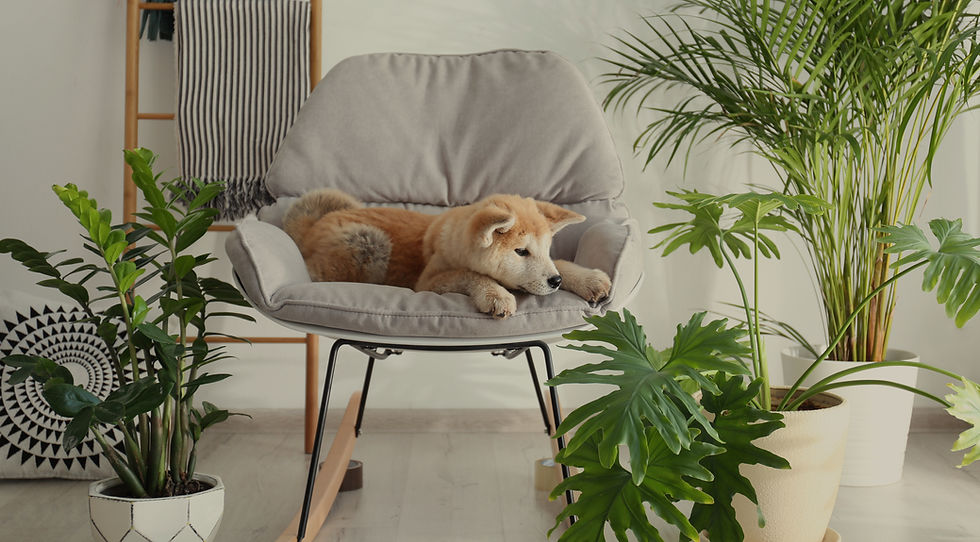
Why do cats and dogs eat houseplants? Some people believe they do it to calm an upset stomach or help process hairballs, while others think pets are attempting to remedy a nutritional deficiency. Cats and dogs might even chew on houseplants during play sessions, attacking waving fronds as they would a toy. It can be difficult to keep a houseplant away from a pet that is determined to chew, so it's up to us to ensure that any plants we grow in the home are safe and non-toxic to cats and dogs. With the exception of edibles like cat grass, it's always better to keep valued houseplants out of a pet's reach if you can.
1. Spider plant
Thank you, spider plant (Chlorophytum), for looking just as cool today as you did in grandma's kitchen in 1978. Also known as ribbon plant or airplane plant, the spider plant is non-toxic to cats and dogs and will tolerate a wide range of light, moisture, and soil conditions.
2. Venus flytrap
Carnivorous plants make a fun and funky addition to a houseplant collection, but what happens when a kitty wants to pounce on one of those traps when they snap shut? Venus flytraps (Dionaea muscipula) are non-toxic to cats and dogs, so a curious nibble won't result in a trip to see a veterinarian. Bright light and irrigation with distilled water will keep your traps in fly-catching condition.
3. Calathea
Calathea spp. plants also called zebra plants or peacock plants, bear large tropical leaves with fascinating stripes or stippling. A calathea is an excellent choice for a shady spot in the house, as too much light can cause the foliage colour to fade.
4. Peperomia
The diversity of colours and textures across the Peperomia species keeps them on the shortlist of popular houseplants. They are non-toxic to cats and dogs, look great in hanging baskets, and don't mind if you forget to water occasionally.
5. Orchid
If you have a passion for orchids (Orchidaceae), you can safely add them to your go-to list of pet-safe plants. Many orchids bloom for weeks in the winter when days are short, thriving in partial light and root-bound conditions.
6. Bromeliad
The tough, strappy leaves of the bromeliad and the curious cone-shaped blooms make bromeliad plants (Bromeliaceae) favourites as houseplants. These pet-safe plants are easy to maintain, needing only a bright window and a humid environment. Many bromeliads will grow as soil-free epiphytes attached to a log, making them even more pet-friendly for those cats that like to dig in potting soil.
7. Air Plants
Tillandsia varieties make excellent pet-friendly, low-maintenance houseplants because they don't need any soil to grow. Most air plants will stay smaller than 12 inches, and they thrive in bright, indirect light with a quick soak in water about once a week. However, cats and dogs alike will find their spindly, grass-like leaves tempting to chew on so make sure you keep them out of reach.
8. Some Varieties of Ferns
Identifying ferns can be a bit tricky, as there are several plants with the word "fern" in their name that are not actually part of the fern family. True ferns such as Boston and maidenhair are fair game as indoor plants that are safe for pets. Just beware of toxic misnomers like asparagus fern, which is actually part of the lily family. Though their size can vary, most ferns have similar needs: They like indirect light, evenly moist soil, and high humidity.


Comments